From Hours to Minutes: How an AI Paperless Meeting System Improves Meeting Efficiency | GZZHYUN
Artificial intelligence is changing the way organizations prepare for meetings, collaborate in real time, and manage decisions after participants leave the room
Artificial intelligence is changing the way organizations prepare for meetings, collaborate in real time, and manage decisions after participants leave the room.
Traditional digital meeting tools mainly replace printed documents with screens. An AI-powered paperless meeting system goes further. It can understand natural-language instructions, analyze meeting documents, transcribe conversations, translate speech, generate minutes, and turn meeting results into searchable organizational knowledge.
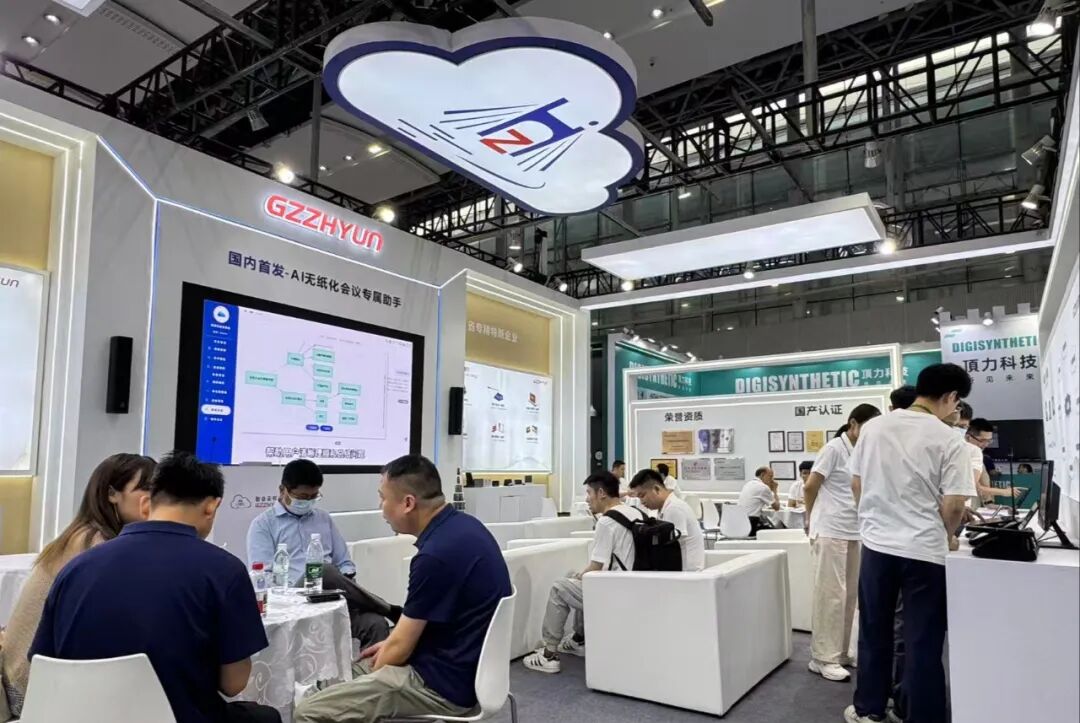
Guangzhou Zhihui Cloud Technology Co., Ltd. has developed an AI paperless meeting system that connects every stage of the meeting lifecycle. Designed for government agencies, public institutions, and large enterprises, the solution combines AI automation, paperless collaboration, security controls, and privately deployed infrastructure.
Why Traditional Meetings Consume So Much Time
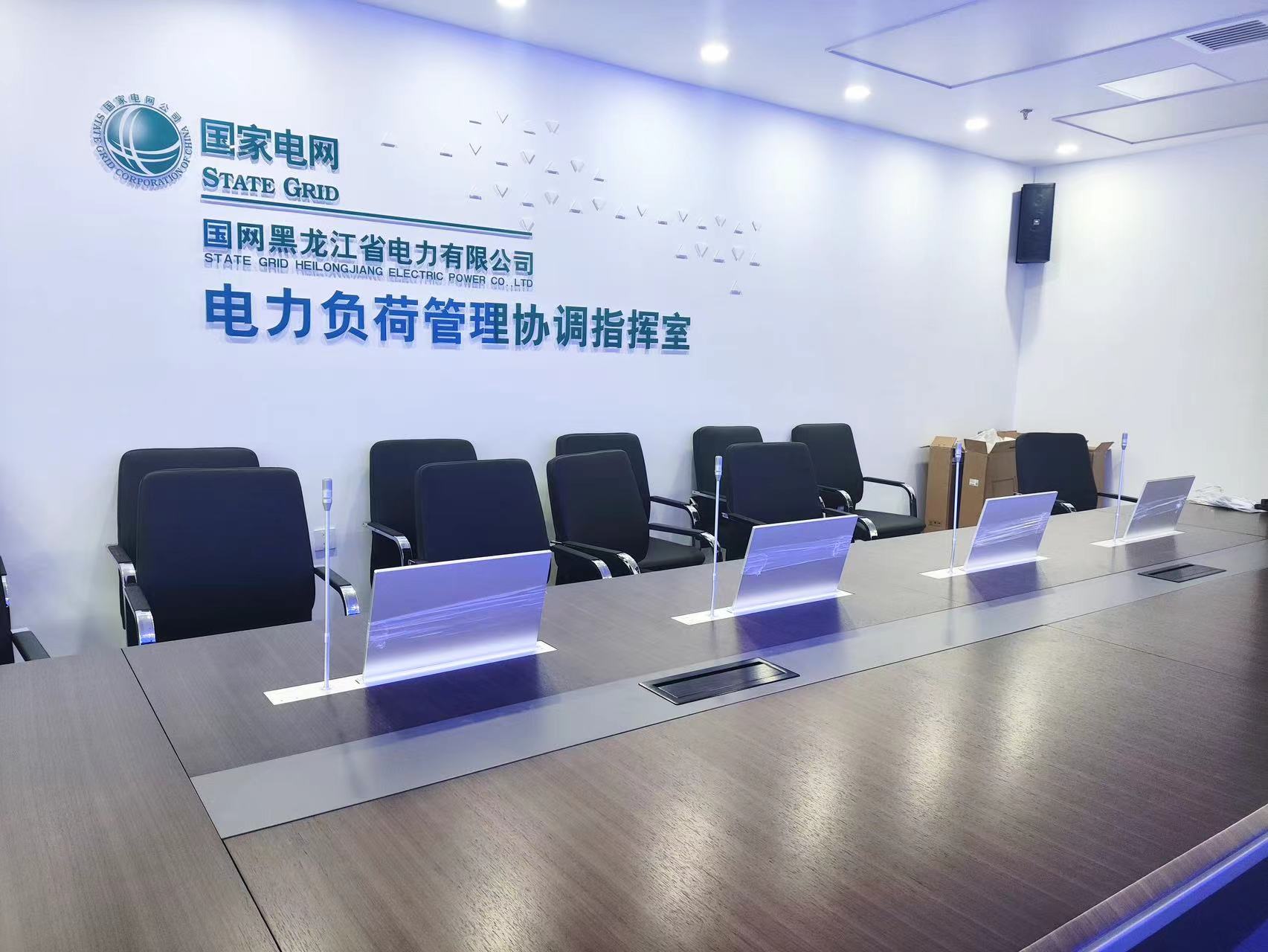
A two-hour internal meeting often requires many additional hours of administrative work.
Before the meeting, organizers must confirm the agenda, coordinate schedules, reserve a meeting room, collect documents, check file versions, configure permissions, and remind participants to review the materials.
During the meeting, manual note-taking may miss important details. Decisions, questions, and assigned responsibilities can easily become disconnected from the original discussion.
After the meeting, employees may spend several more hours reviewing recordings, preparing minutes, distributing documents, and following up on action items. Valuable discussions can also be lost if meeting records are not stored in a structured and searchable format.
These challenges become more serious when organizations hold hundreds of meetings each year. The issue is not simply the length of each meeting. It is the total workload created before, during, and after every session.
A Complete AI Paperless Meeting Workflow
Zhihui Cloud's AI paperless meeting system is organized around three stages: preparation before the meeting, intelligent collaboration during the meeting, and structured knowledge management after the meeting.
Before the Meeting: Complete Hours of Preparation in Minutes
The platform provides several ways to create a meeting, including quick meeting creation, standard meeting creation, and reusable custom templates.
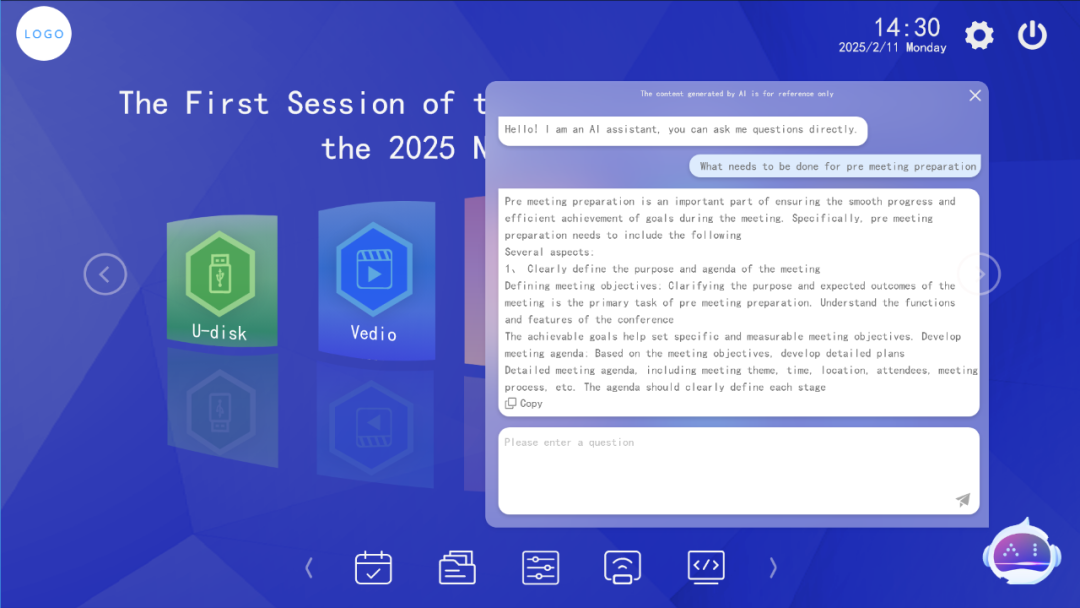
Its AI meeting assistant allows users to create meetings through natural-language instructions. For example, an organizer could enter:
"Create a project review meeting for next Wednesday afternoon, invite the project director, engineering manager, and sales manager, and add the quarterly sales report as a meeting document."
The AI assistant can interpret the request and help complete the corresponding scheduling, participant invitation, and document preparation tasks. This reduces repetitive administrative work and makes meeting creation more accessible to non-technical users.
Intelligent Document Distribution
Documents can be organized according to individual agenda items rather than being placed in a single shared folder.
Meeting administrators can configure agenda-level access permissions so that participants only see the files relevant to their roles. Entire folders, agenda items, and related documents can also be imported in batches.
This is particularly valuable for executive meetings, project evaluations, procurement reviews, and other meetings that involve confidential or role-specific information.
AI Document Analysis and Summaries
After files are uploaded, the AI document analysis function can identify important information and generate concise summaries.
Participants can review the main points before the meeting instead of reading every document from beginning to end. Better preparation helps meetings focus on decisions, unresolved questions, and required actions.
During the Meeting: Make Every Minute More Valuable
The meeting stage brings together real-time transcription, translation, document collaboration, AI-assisted questions, and centralized meeting control.
### Real-Time Transcription with Speaker Identification
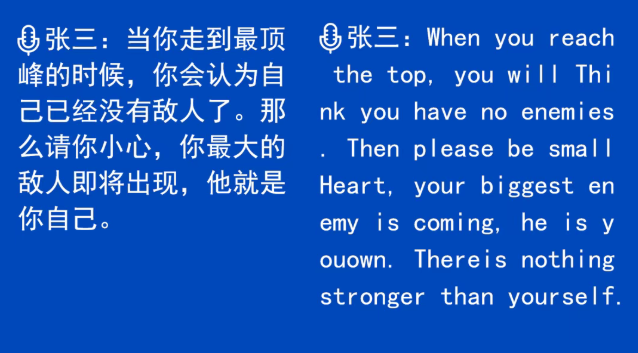
The system supports real-time speech transcription with automatic speaker separation.
When multiple microphones are used, the platform can identify the voice characteristics of different speakers, divide the transcript by participant, and generate text records with speaker labels.
Under supported conditions, the system provides:
- More than 97% transcription accuracy for standard Mandarin
- More than 93% transcription accuracy for English
- Real-time response latency of less than 500 milliseconds
These capabilities reduce dependence on manual note-taking while preserving a more complete record of the discussion.
Synchronized Audio and Text
The transcript remains linked to the original recording.
Users can select a paragraph in the transcript and return directly to the corresponding audio position. This makes it easier to confirm statements, review technical discussions, or verify the context behind an important decision.
Real-Time Multilingual Translation
Zhihui Cloud supports real-time translation for languages including Chinese, English, Japanese, and Korean.
Multilingual transcription and translation can improve communication during international conferences, multinational project reviews, and meetings involving participants from different language backgrounds.
AI Questions Based on Meeting Knowledge
Organizations can import a customized knowledge base into the platform.
During a meeting, participants can ask questions, and the AI assistant can generate answers based on the available meeting documents and approved knowledge resources. It effectively acts as a real-time information assistant for each meeting.
The system also includes an AI support function that answers questions about platform operation and basic troubleshooting. This can reduce dependence on dedicated technical support staff during routine meetings.
Digital Scoring for Review Meetings
For project evaluations, expert reviews, and assessment meetings, administrators can configure multiple scoring criteria.
Scores can be displayed on the main screen in real time. The platform supports trimmed-mean calculations and can export results as watermarked PDF files, providing a clearer and more traceable evaluation process.
After the Meeting: Turn Discussions into Knowledge
When the meeting ends, the platform can automatically generate structured meeting minutes.
Authorized users can review and edit the minutes online. Transcripts, recordings, annotations, voting results, and related meeting documents can then be exported or archived.
This process turns each meeting from a temporary event into a reusable knowledge asset.
Employees can search previous discussions, review the reasoning behind decisions, and reuse relevant information in future projects. Organizations also gain a more consistent record of responsibilities, outcomes, and follow-up actions.
Security, Accountability, and Private Deployment
Government and enterprise meetings may involve personnel decisions, financial information, technical documents, project evaluations, or other sensitive data.
Zhihui Cloud supports private deployment, allowing organizations to operate the meeting system within their own controlled infrastructure.
The platform also maintains operation logs for document uploads, downloads, changes, and deletions. These records provide greater traceability throughout the meeting lifecycle.
Three-Role Administration
The system separates management responsibilities among three roles:
- System Administrator: Manages organizational structures, users, and meeting devices
- Meeting Administrator: Controls meeting preparation, execution, and document distribution
- Auditor: Independently reviews system activities and operation logs
This separation of responsibilities helps organizations establish clear permissions and maintain an auditable compliance process.
Key Benefits of an AI Paperless Meeting System
By connecting AI with paperless meeting management, organizations can:
- Create meetings through natural-language instructions
- Transcribe discussions with speaker identification
- Reduce repetitive meeting preparation work
- Distribute documents according to agendas and user permissions
- Generate document summaries before meetings
- Translate multilingual conversations in real time
- Connect transcript text with the corresponding audio
- Ask questions based on approved meeting documents
- Generate structured meeting minutes automatically
- Export transcripts, recordings, annotations, and voting results
- Preserve meeting content as searchable organizational knowledge
- Track system activities through complete operation logs
- Reduce paper consumption and printing costs
More Than a Digital Meeting Room
The value of an AI paperless meeting system is not limited to replacing printed documents.
It creates a connected workflow between preparation, collaboration, decision-making, and execution. Meeting information becomes structured and searchable, while responsibilities and permissions remain clearly defined.
For organizations undergoing digital transformation, this makes the meeting system an important part of operational efficiency, knowledge management, data security, and institutional governance.
About Guangzhou Zhihui Cloud Technology Co., Ltd.
Guangzhou Zhihui Cloud Technology Co., Ltd. is a high-tech company specializing in digital meeting systems, paperless conference solutions, and audio-visual control technology.
The company focuses on independent research and development and provides integrated software and hardware solutions for modern meeting environments. Its solutions are used by government departments, large enterprises, public institutions, universities, hotels, judicial organizations, public security departments, and other professional users.
Zhihui Cloud's meeting product series has been recognized as a Guangdong High-Tech Product and has obtained software copyrights and patent certificates. The company has also received Guangdong Software Enterprise Certification and a range of paperless meeting brand and product innovation awards.
Make Every Meeting the Start of Smarter Decision-Making
AI is changing meetings from isolated events into connected decision-making processes.
With natural-language meeting creation, intelligent document analysis, real-time transcription, multilingual translation, knowledge-based AI assistance, automated minutes, and secure private deployment, Zhihui Cloud helps organizations reduce administrative work and retain more value from every discussion.
The result is not simply a shorter meeting. It is a more efficient, secure, traceable, and knowledge-driven way to work.
Frequently Asked Questions
What is an AI paperless meeting system?
An AI paperless meeting system combines digital document management with functions such as natural-language meeting creation, document summarization, speech transcription, translation, AI-assisted questions, automated minutes, and task follow-up.
Can the system identify different speakers?
Yes. Zhihui Cloud supports speaker separation and can organize real-time transcripts according to individual speakers when used with a supported microphone configuration.
Which languages does the system support?
The platform supports real-time transcription and translation for languages including Chinese, English, Japanese, and Korean. Available languages and accuracy may vary according to the deployment configuration and audio environment.
Can the system be deployed on private infrastructure?
Yes. Private deployment is available for organizations that need greater control over meeting documents, recordings, transcripts, and other sensitive information.
How does the system protect meeting information?
Security functions include role-based permissions, agenda-level document access, operation logs, private deployment, and separate system administrator, meeting administrator, and auditor roles.
What information can be exported after a meeting?
Depending on user permissions and configuration, organizations can export structured minutes, transcript text, audio recordings, annotations, voting results, and related meeting documents.